378 Vermont Road
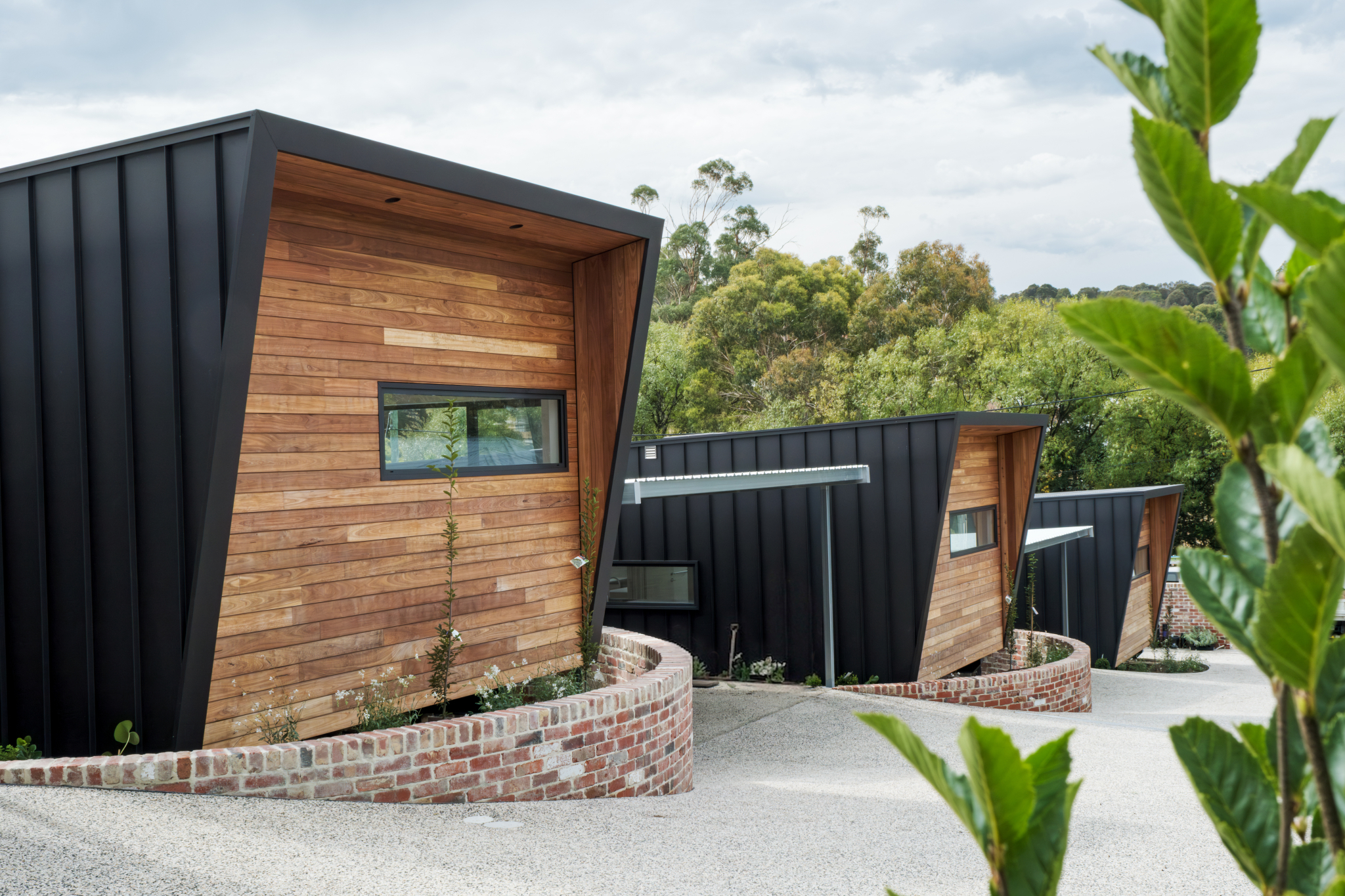
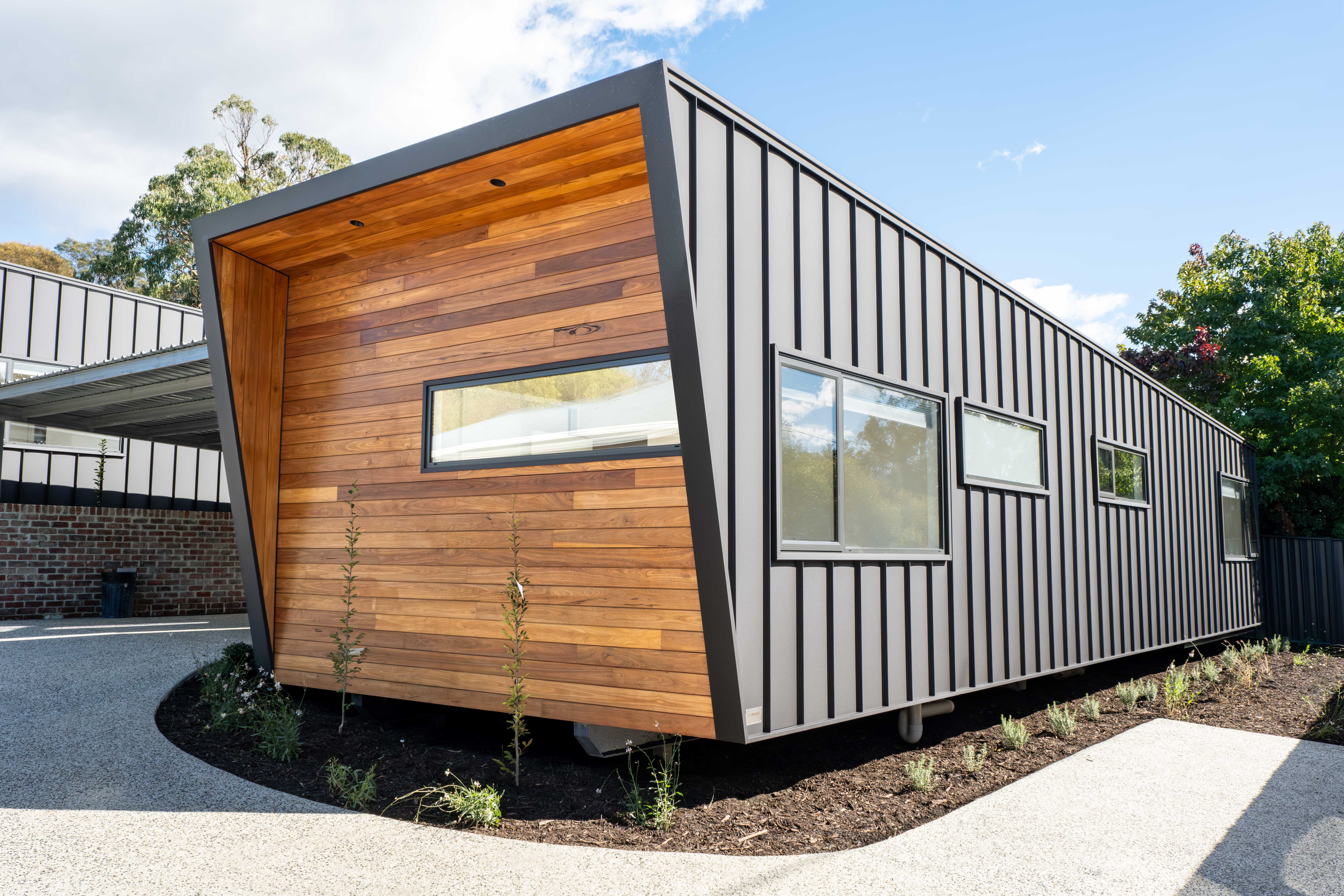
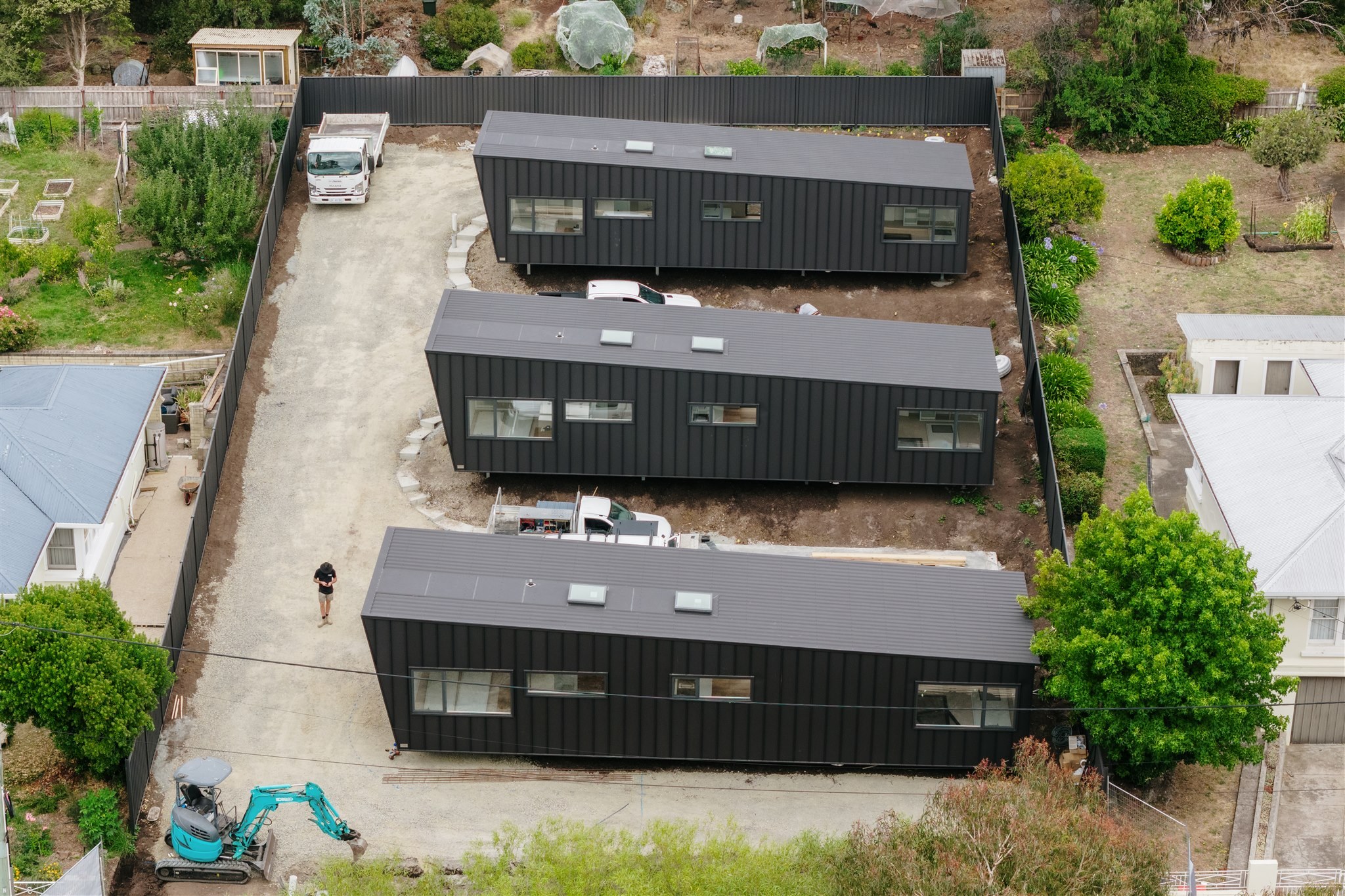
At 378 Vermont Road, this project was about pushing what “tiny” can be. This isn't just a single home, this site brings together three BIG70s, each designed to demonstrate how smart planning, quality finishes, and thoughtful layout can create a genuine alternative to traditional housing.
The process
Vermont Road started as an empty block, and the first step was understanding how multiple tiny homes could sit comfortably together, maximise space, and still feel considered was the critical starting point to this project. Then, it was planning positioning, access, services, and how each home would function individually while contributing to a cohesive development — all of which informed the early design decisions. Rather than forcing a traditional subdivision approach, the thinking was practical and outcome-driven: how do we make this work simply, efficiently, and to a high standard?
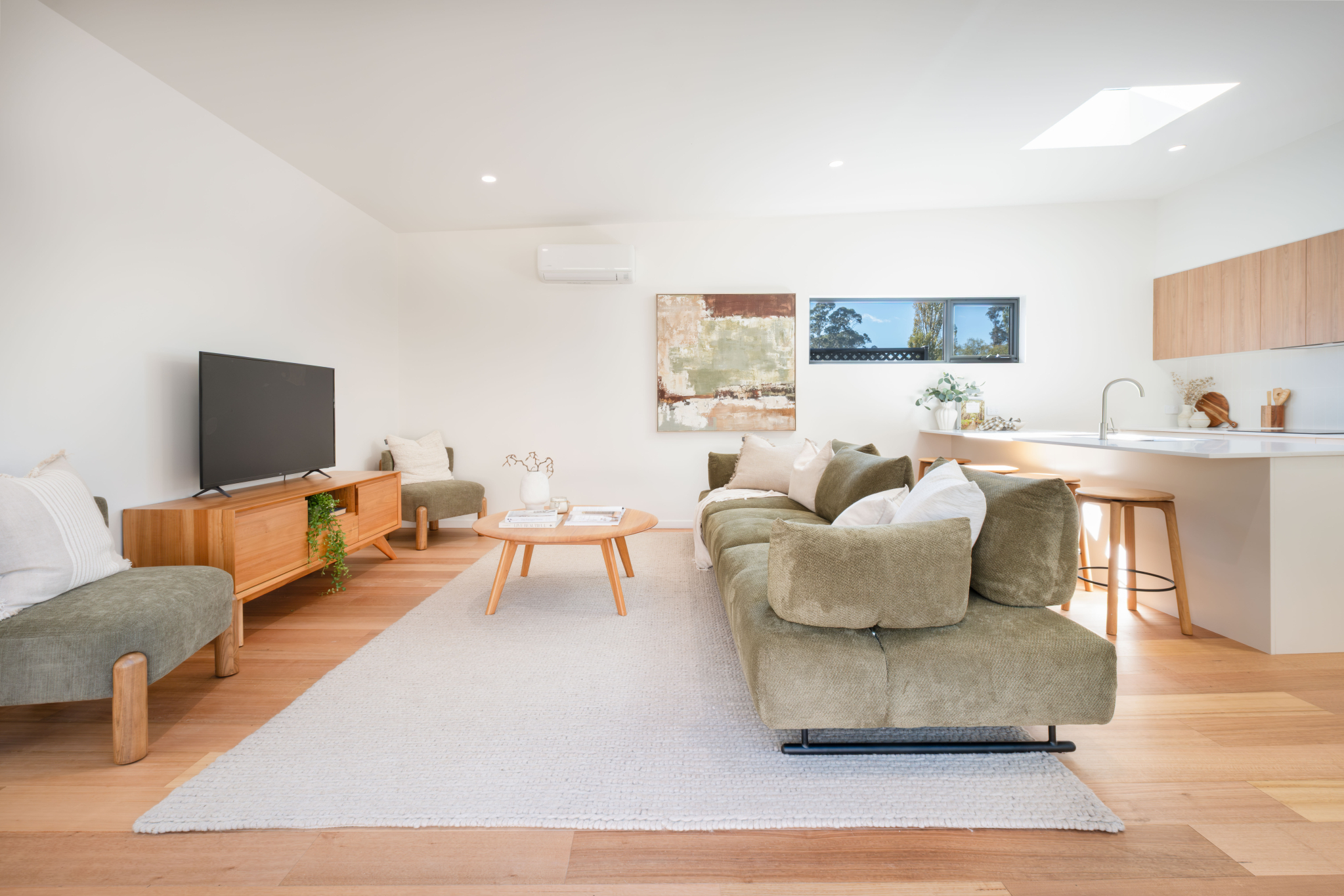
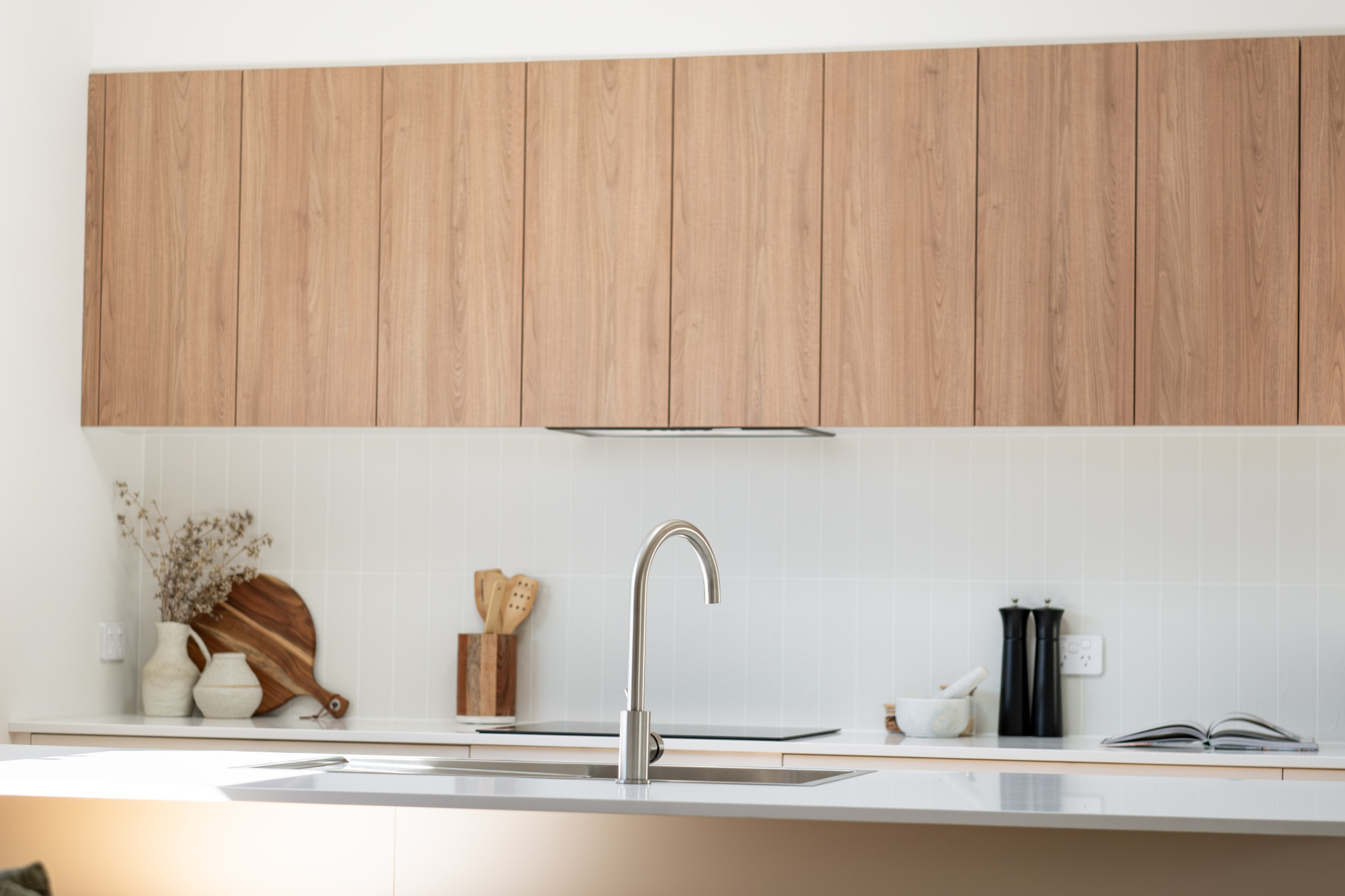
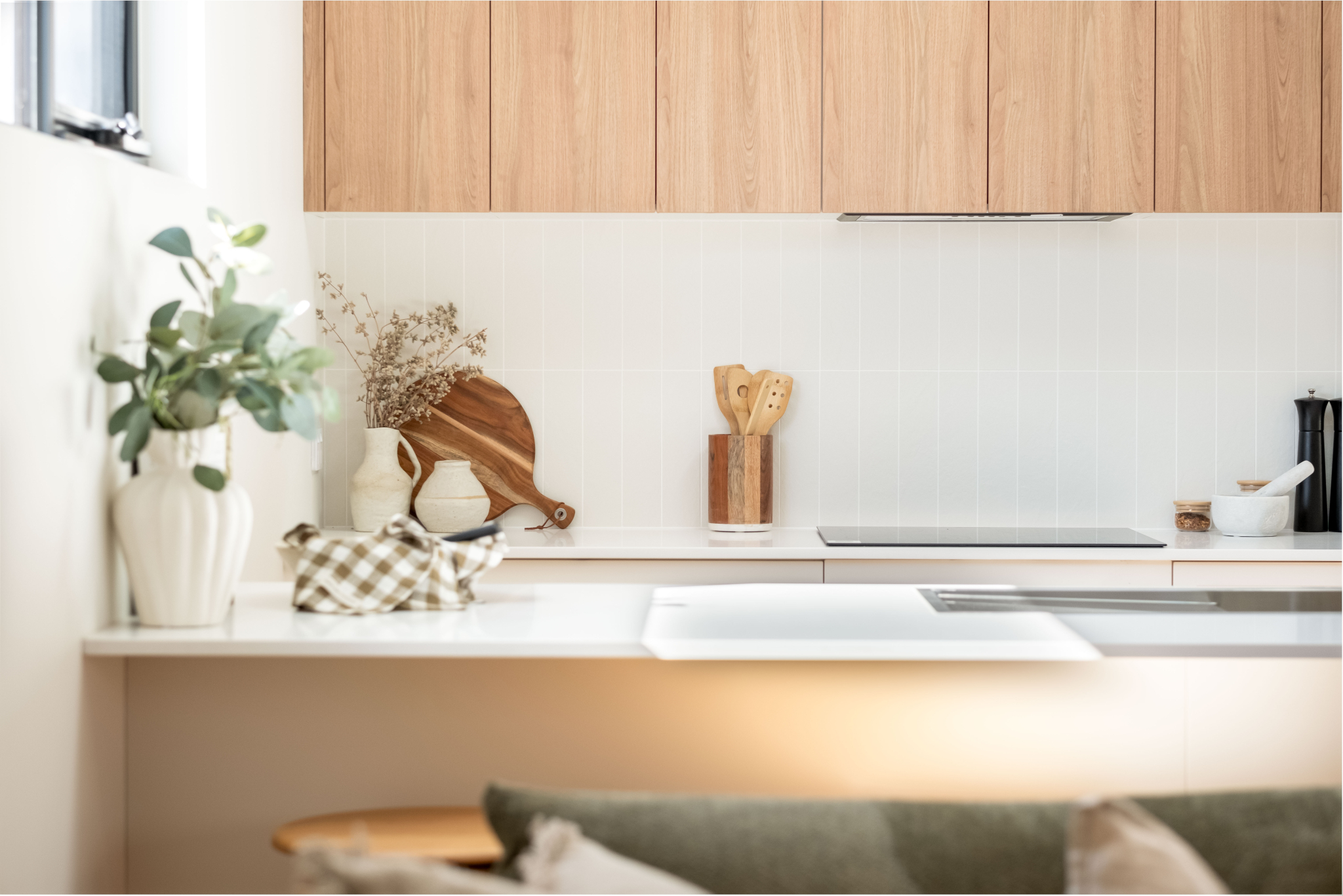
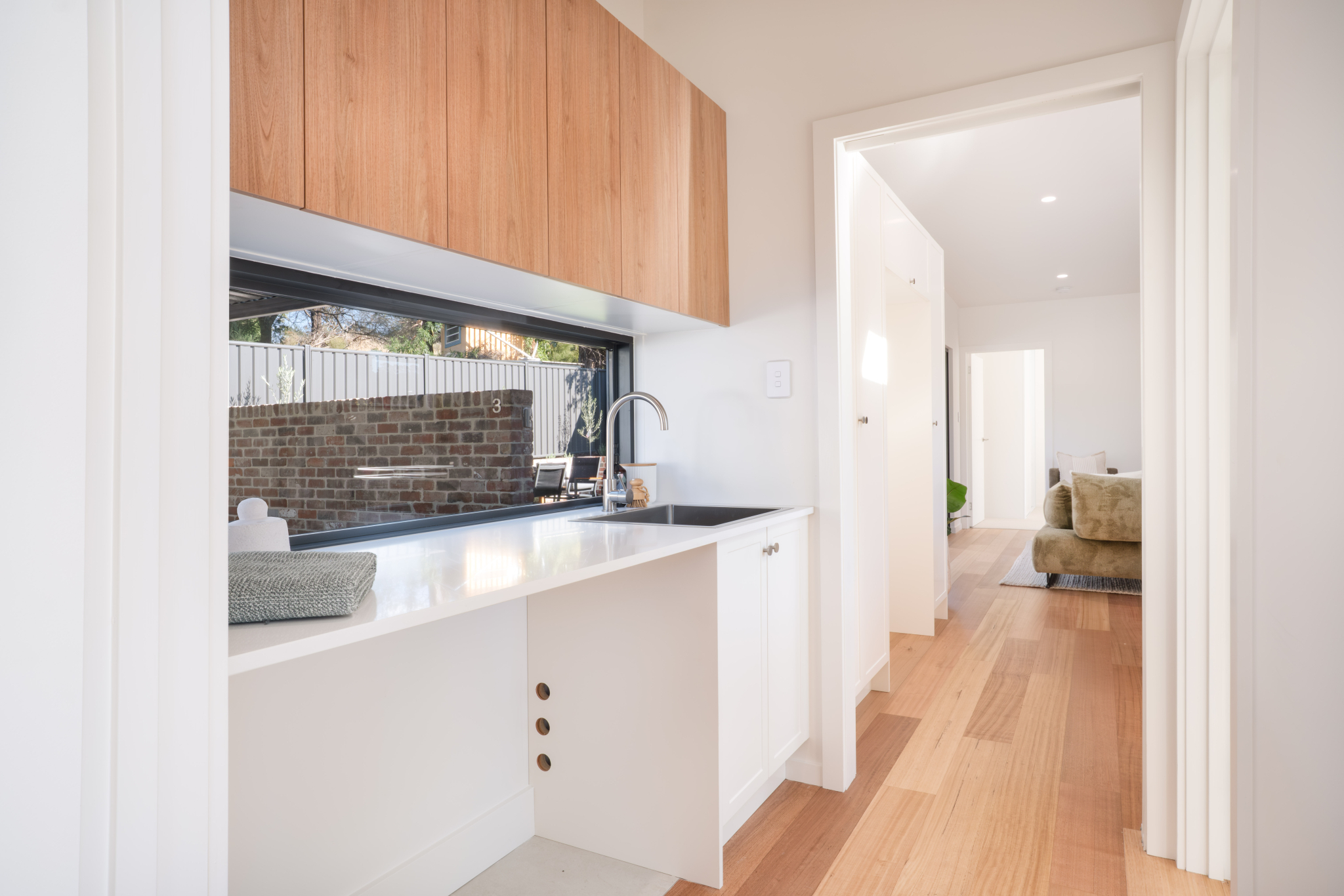
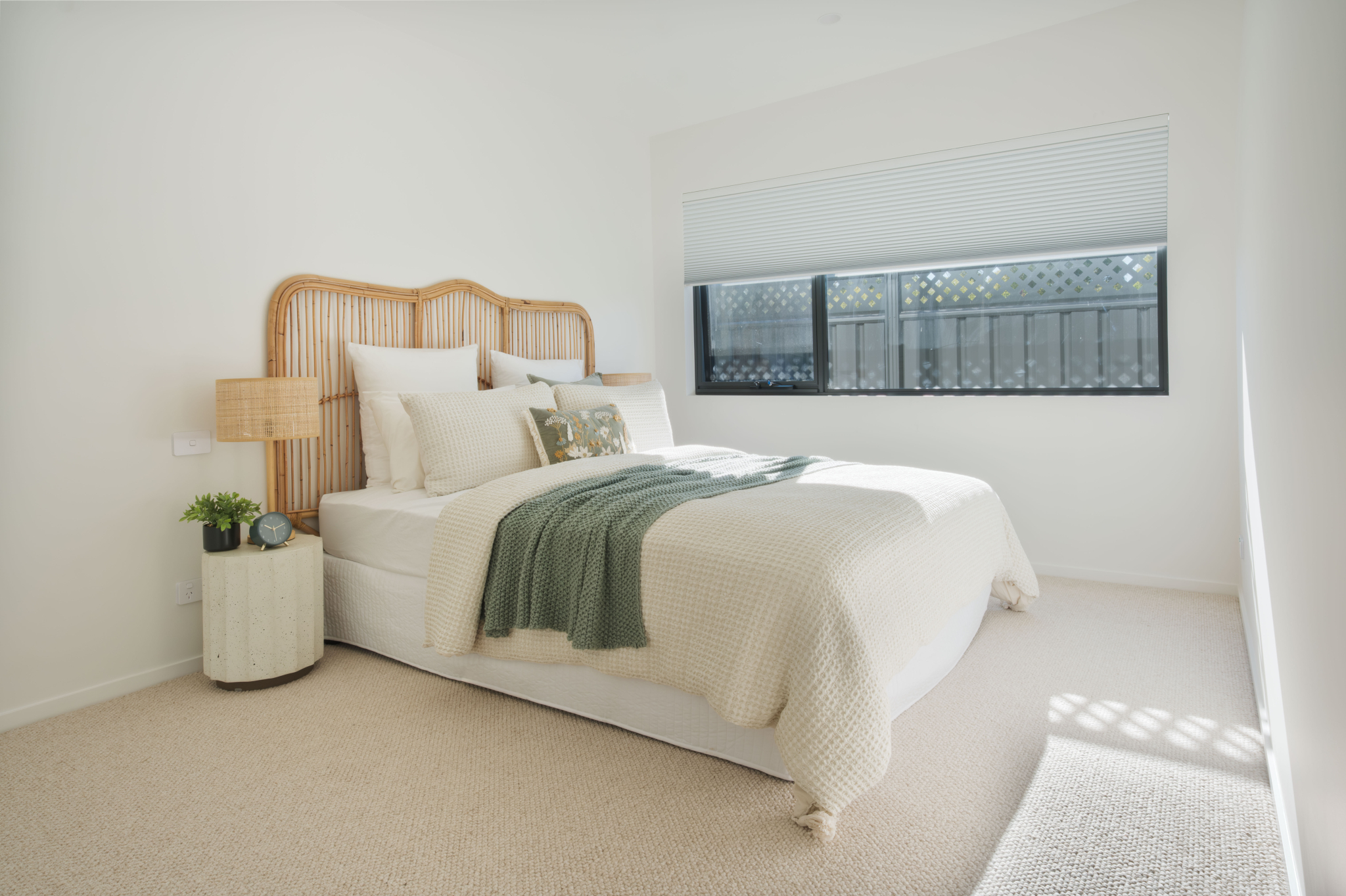
From there, the focus shifted to the homes themselves. The BIG70 design was selected for its ability to support full-time living — two bedrooms, open-plan living, and enough space to feel like a home, not a compromise. Each layout was refined to suit the site, with attention to natural light, flow, and functionality. Every decision, from kitchen configuration through to storage and circulation, was made with real day-to-day living in mind.
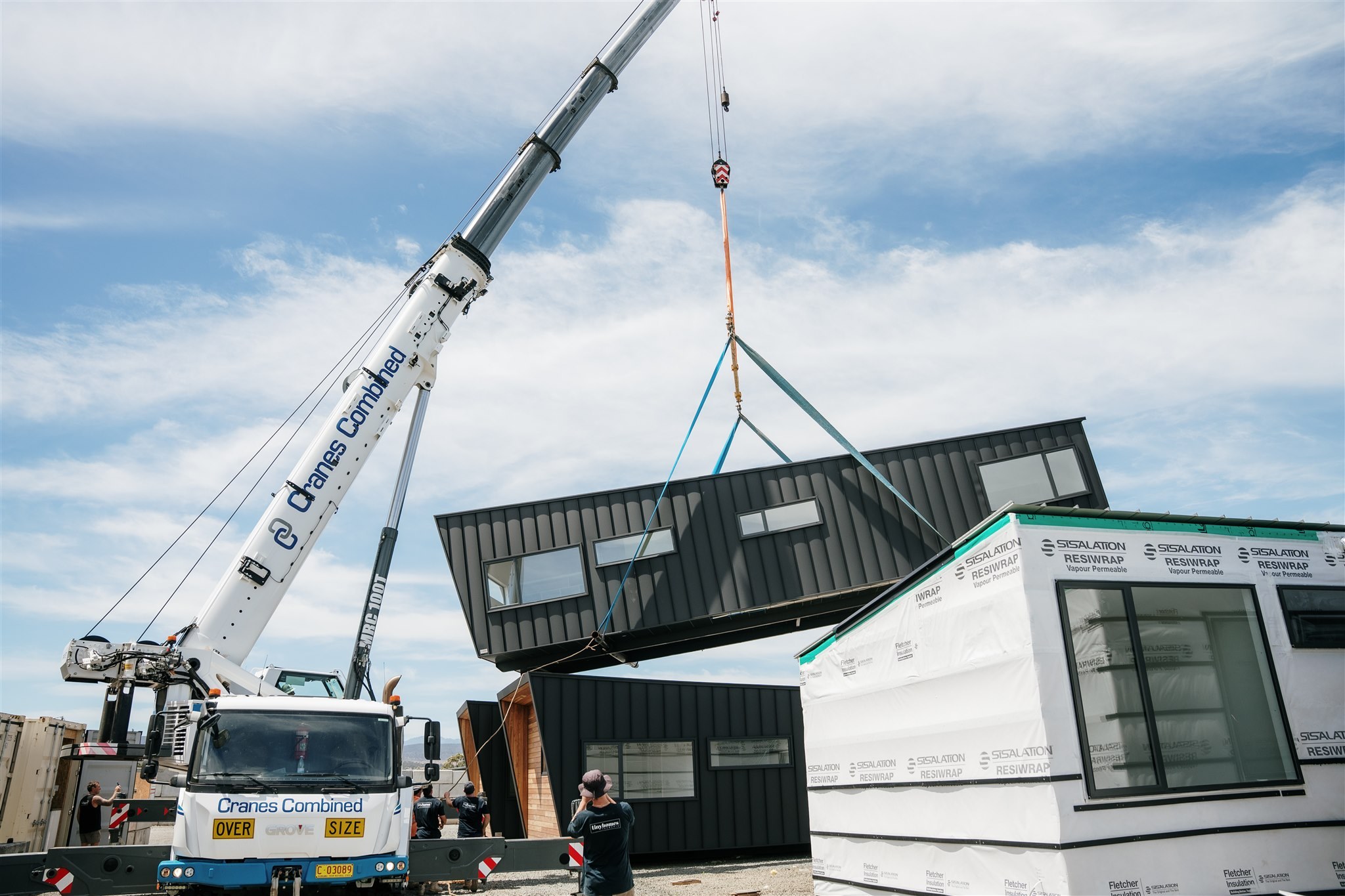
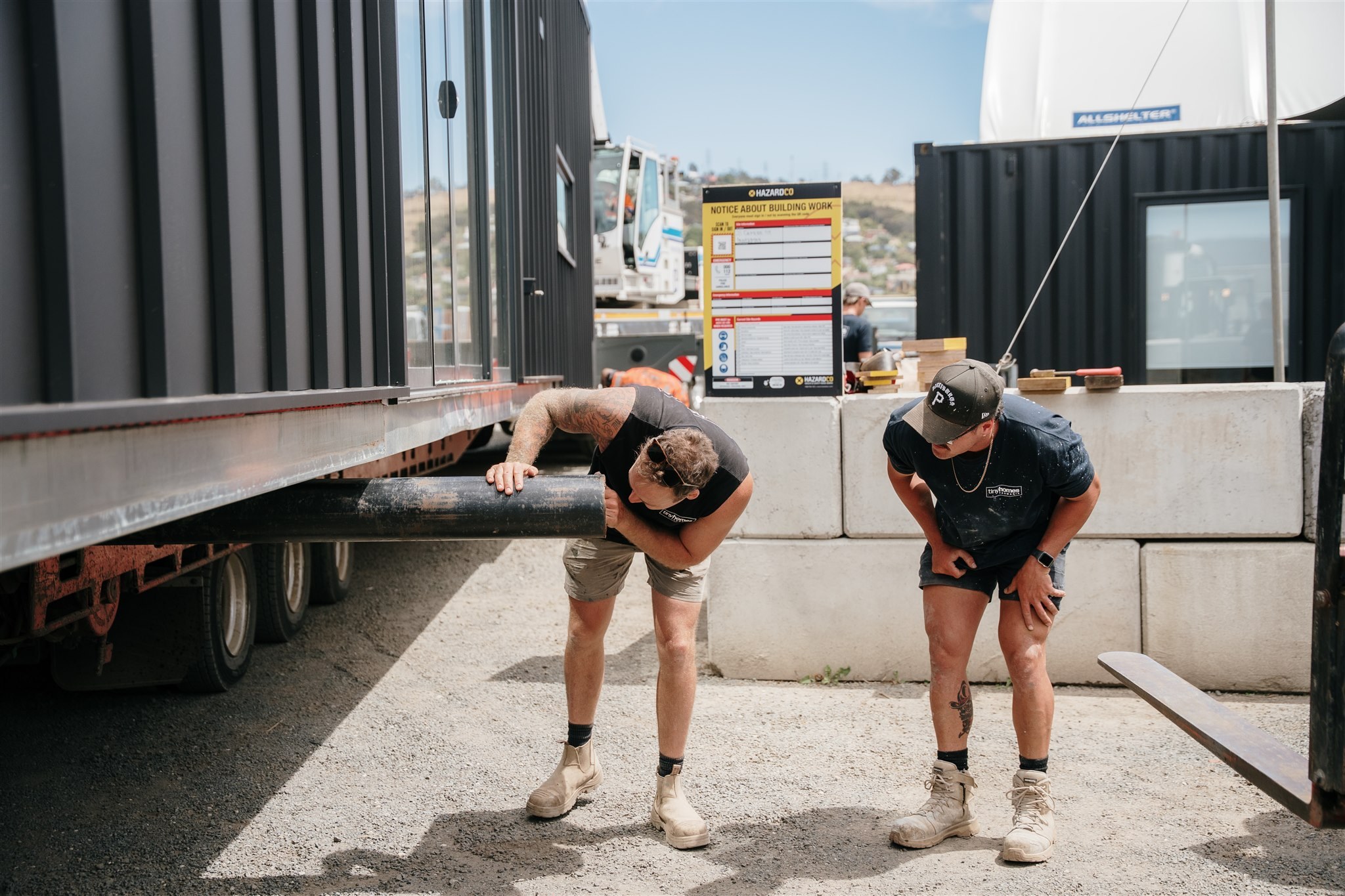
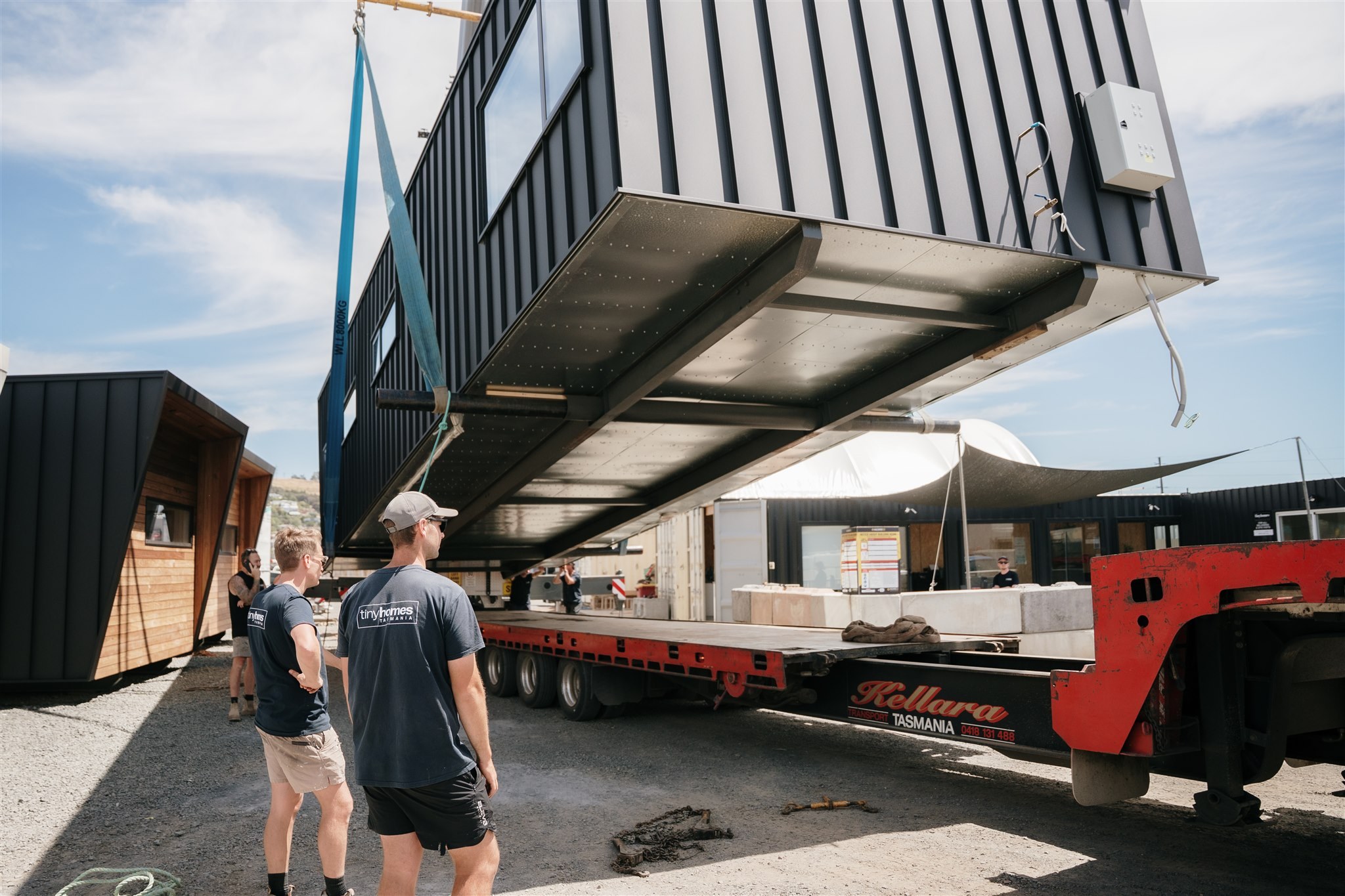
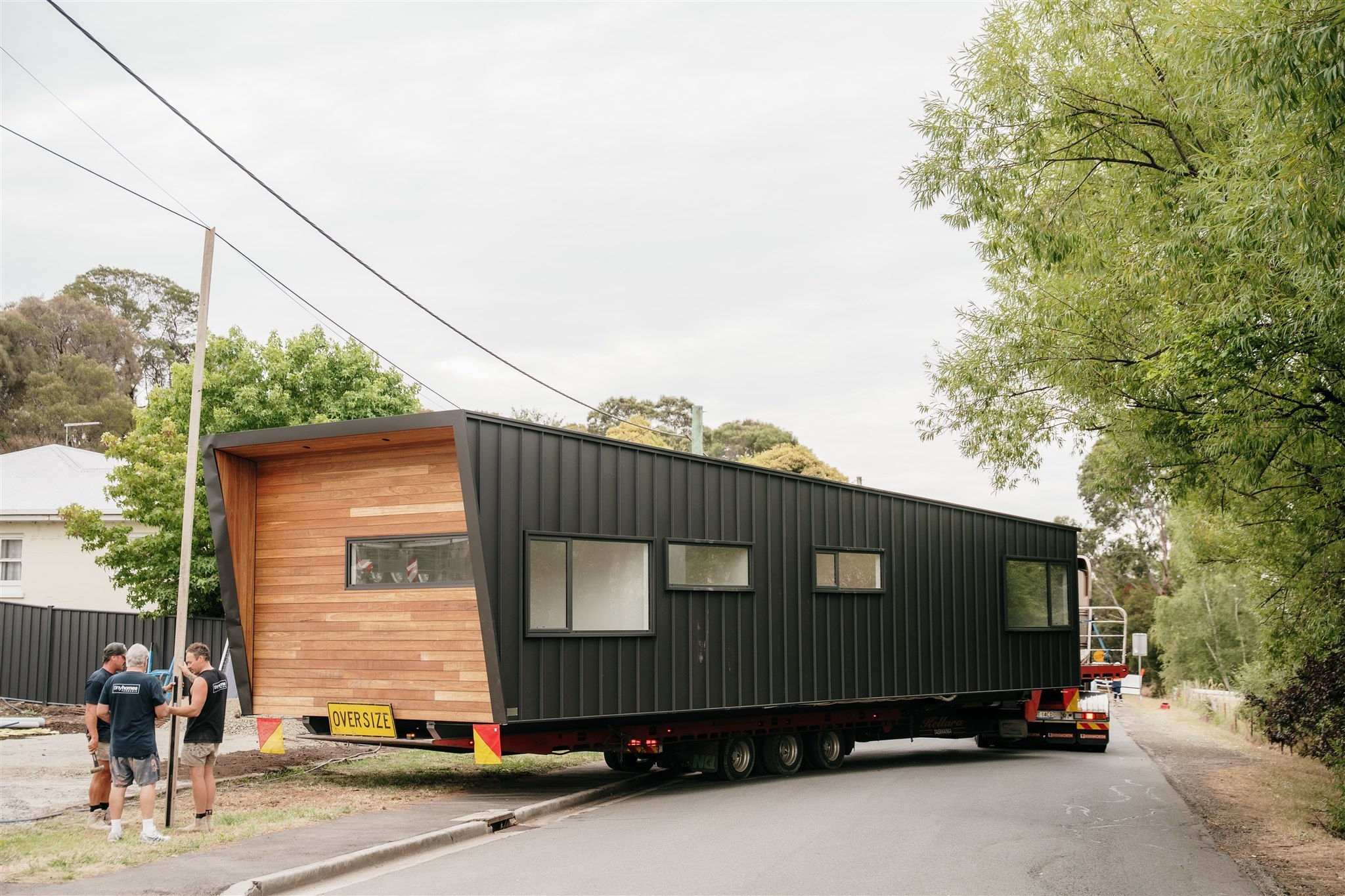
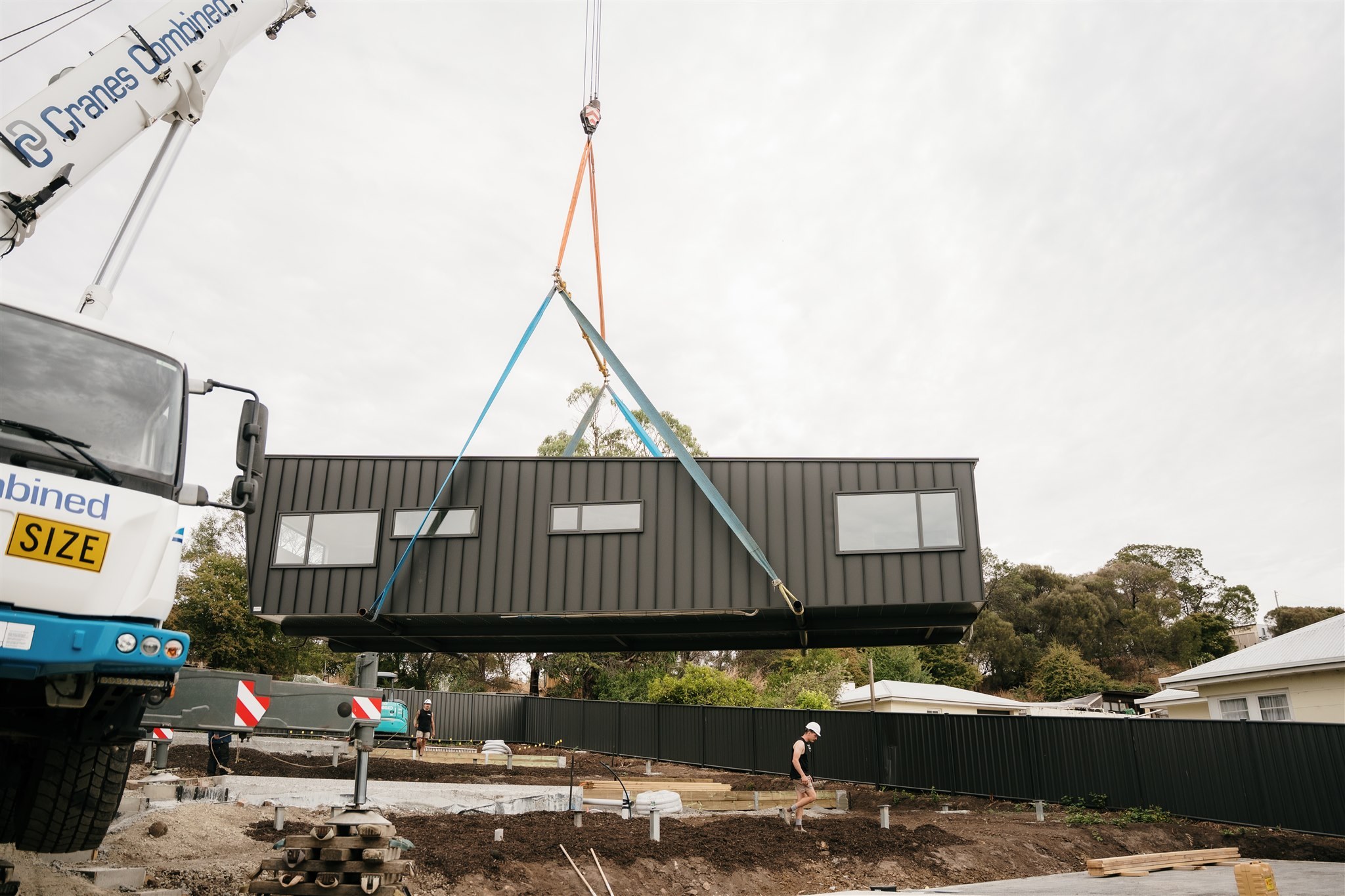
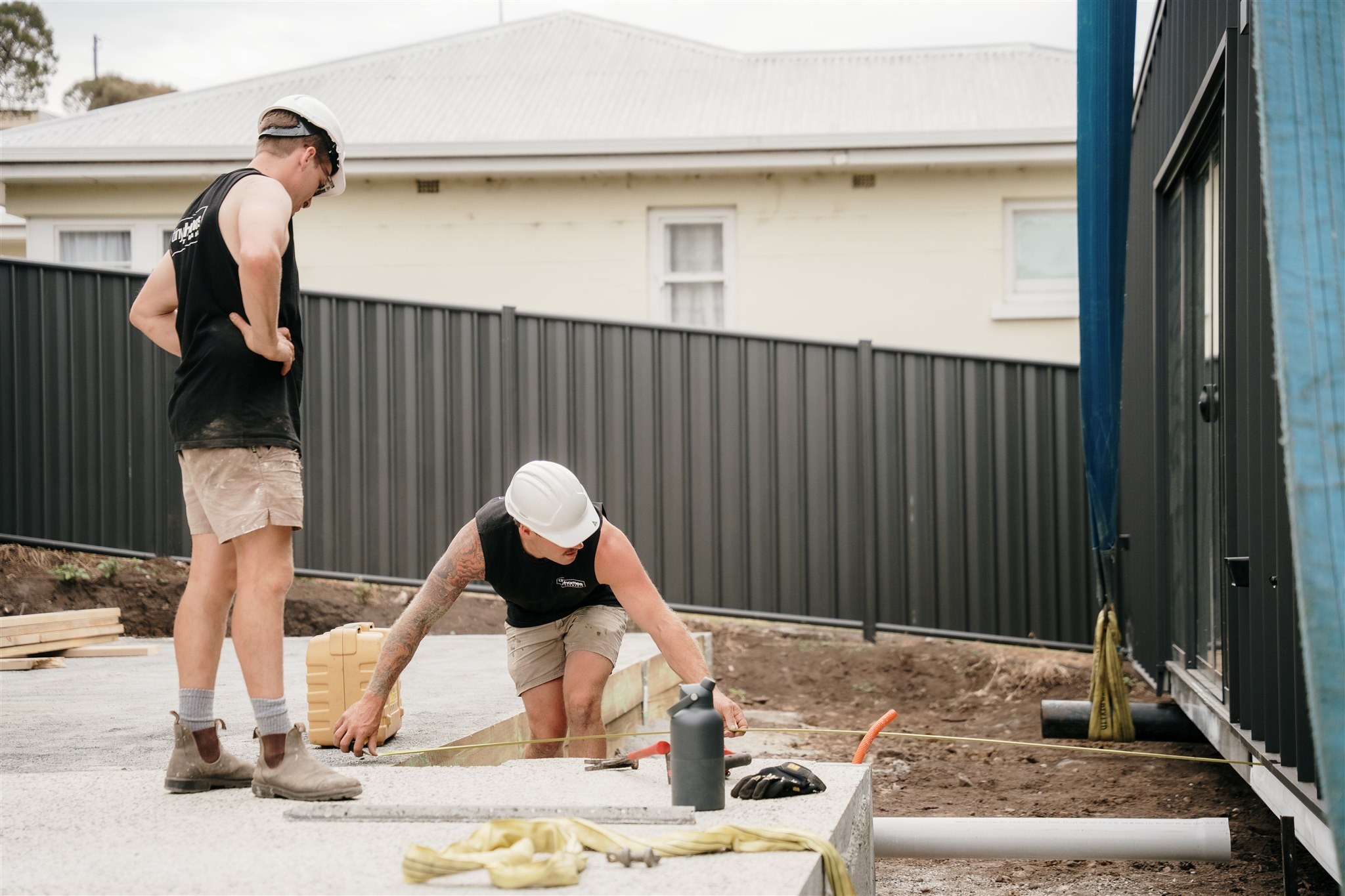
Off-site construction played a key role in the delivery. Each home was built as a complete unit before being transported to site, allowing for greater quality control, reduced build time, and less disruption on location. This approach meant multiple homes could be progressed simultaneously, significantly improving efficiency compared to a traditional build sequence.
We coordinated the delivery and placement of the three BIG70s across two days. It required precision, planning, and adaptability. Each home was positioned, connected, and brought together on site, transforming what started as individual builds into a finished development. The result is seamless, but the thinking and coordination behind it are what make it work.
Throughout the project, the focus remained the same: keep it simple, build it properly, and make it work in the real world. The outcome at 378 Vermont Road is three fully resolved BIG70 homes that demonstrate not just the product, but the process behind it — a faster, more efficient way to deliver quality housing without sacrificing design, liveability, or intent.
This project stands as a clear example of what’s possible when design, construction, and delivery are aligned from the outset — and how tiny homes can move from individual builds to considered developments.
Rethinking tiny living
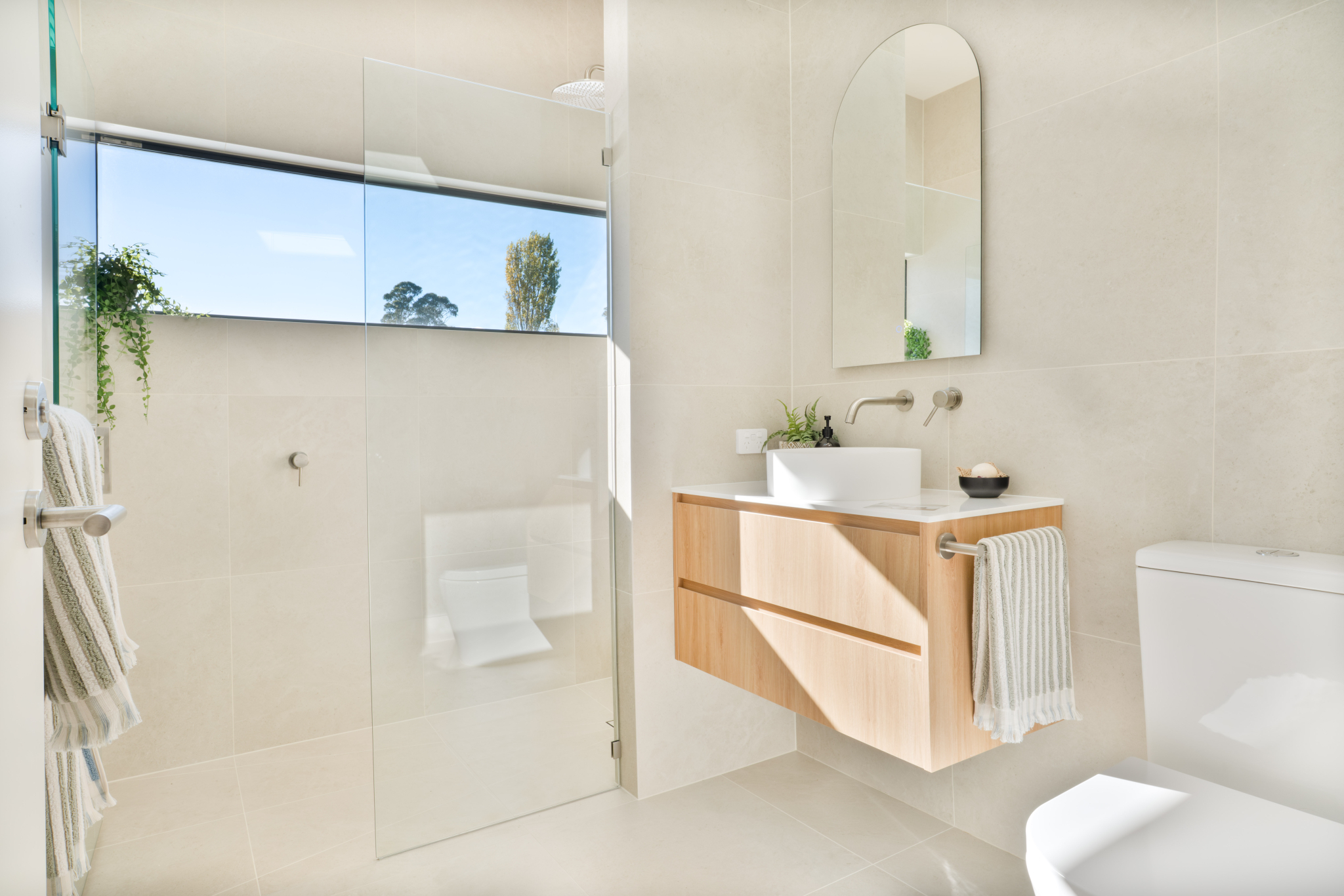
The BIG70 is anything but "tiny". At 70m², these homes are designed for full-time living, with a footprint that allows for open-plan living, two generous bedrooms, and a full-size kitchen and bathroom.
At Vermont Road, that extra space is used intentionally. Each home feels open, light-filled, and functional — proving that downsizing doesn’t mean sacrificing how you live day to day.
What makes this project different is the thinking beyond the four walls. Rather than a standalone build, this is a multi-dwelling solution — three BIG70s positioned to work together as a small-scale development. It’s a practical example of how tiny homes can respond to housing demand, offering a scalable, efficient approach without losing individuality.
It also reflects a growing shift in Tasmania toward smarter, more flexible living solutions — where developments can be delivered faster, more affordably, and with less complexity than traditional builds.