The Tasmanian Planning Scheme is set to increase the allowable size of granny flats. What does this mean?
02nd April 2026
Big news if you’ve ever looked at your backyard and thought, “we could do more with this”.
The Tasmanian Government has announced work is underway to increase the allowable size of granny flats (also known as ancillary dwellings) from 60m² to 90m² under the Tasmanian Planning Scheme. In simple terms, that opens the door for larger, more liveable and practical homes on existing residential blocks. And that’s a pretty significant shift!
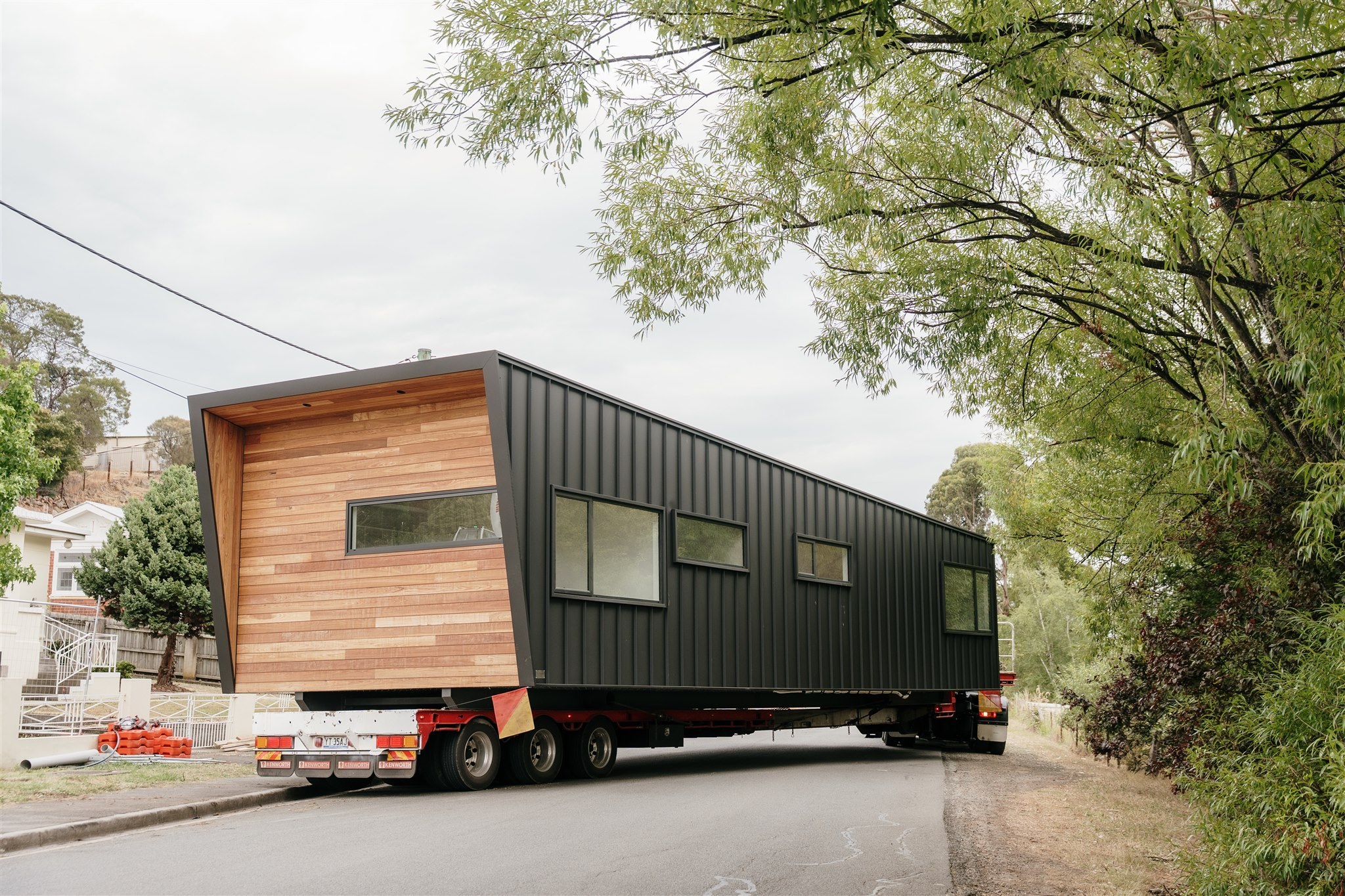
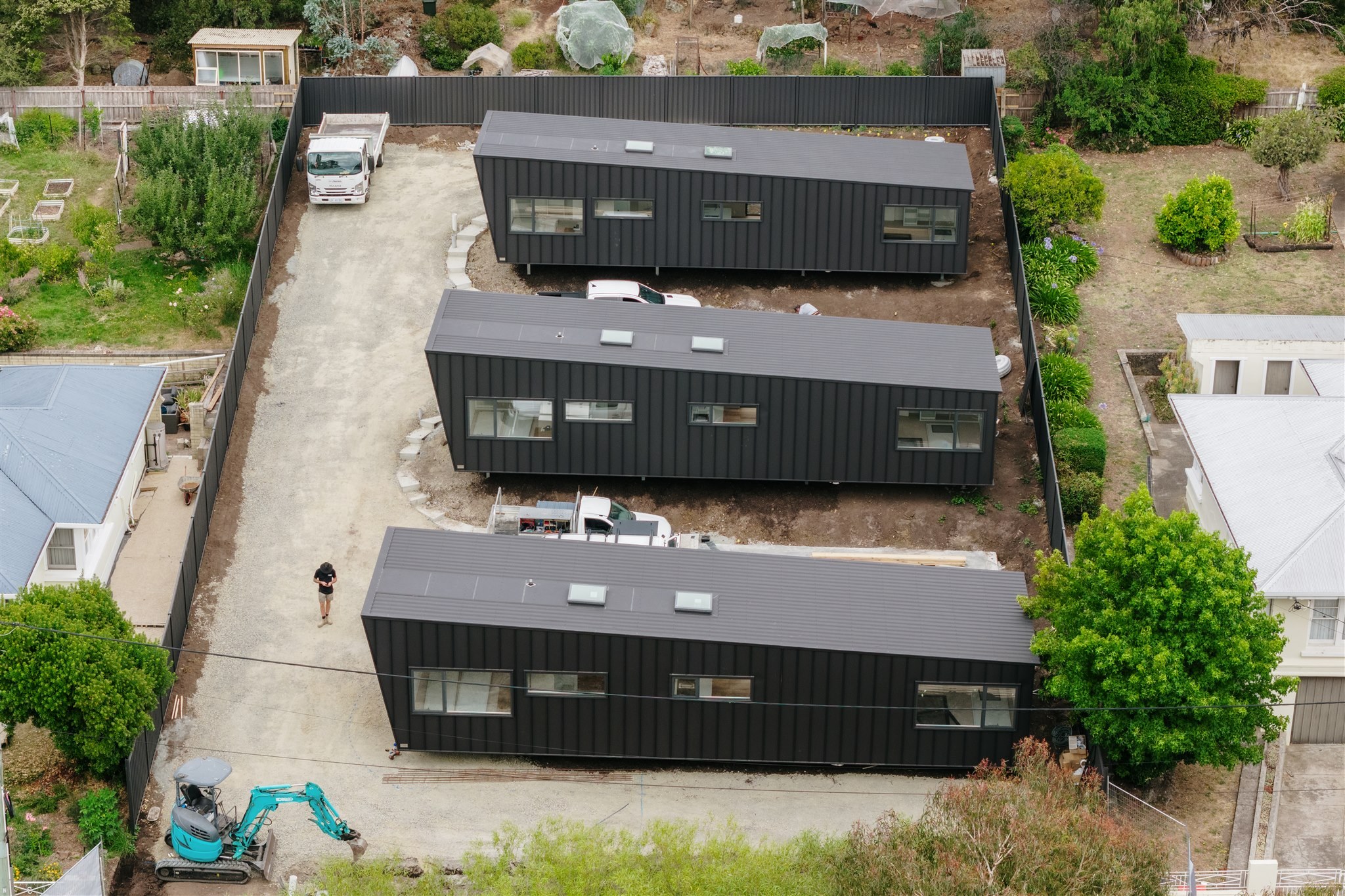
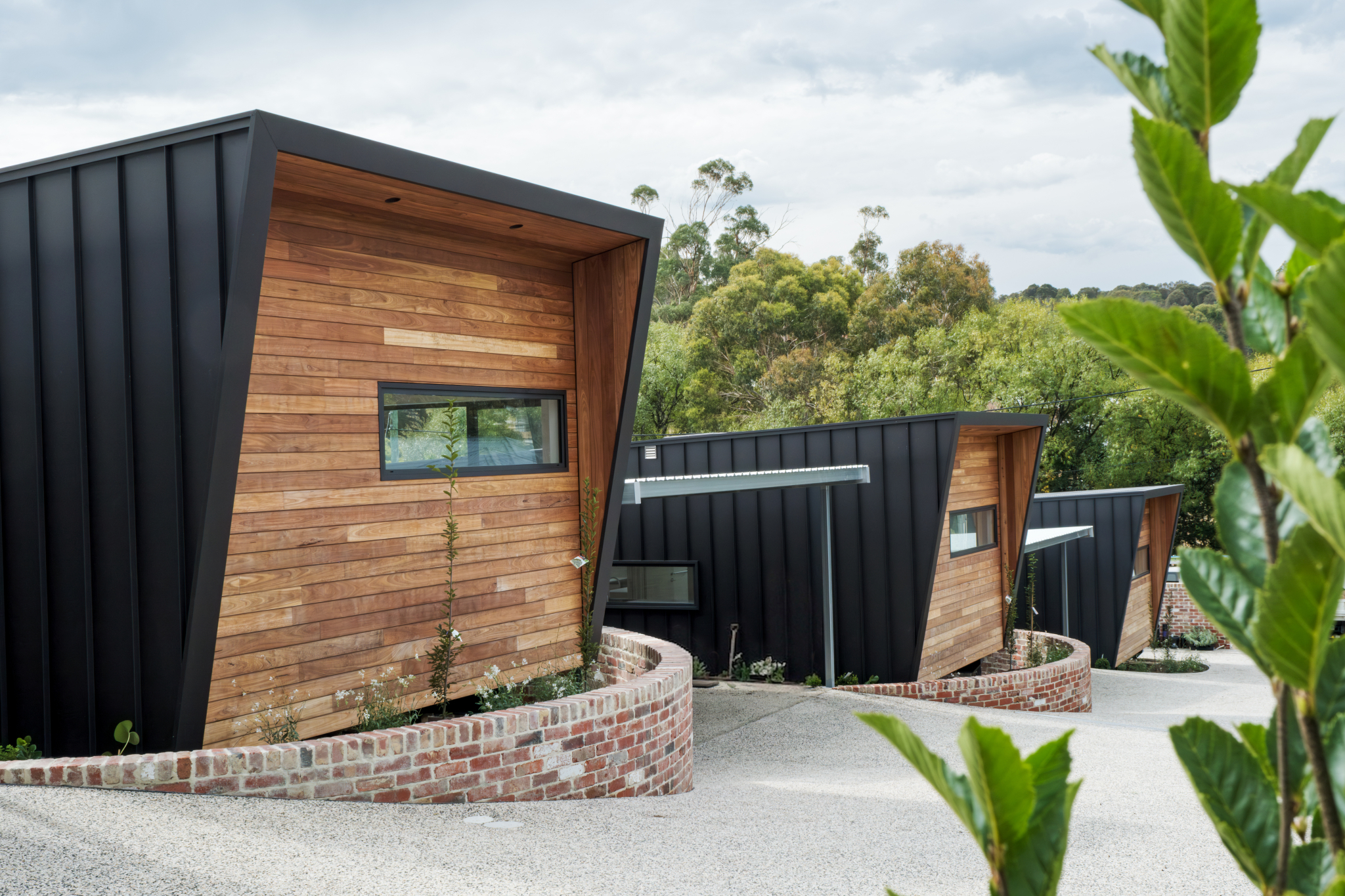
For a lot of Tasmanians, 60m² has already been a fantastic housing solution, offering a smart, efficient footprint that can work perfectly as a secondary dwelling, downsizer, or compact home. With the proposed increase to 90m², there’s now even more flexibility for those wanting extra room for things like additional storage, larger living spaces, or a third (or fourth!) bedroom. It opens the door to more design possibilities and even more ways to make a tiny home work for your lifestyle.
So… what does this actually mean for you?
It means a tiny home is becoming an even more versatile and practical housing solution.
This proposed change gives Tasmanians more freedom to create a second dwelling that genuinely suits how they want to live and what they want to achieve — whether that’s keeping family close, creating more independence on the same block, generating rental income, or simply making better use of the land they already own.
And because the allowable footprint is growing, so too is the potential of what that home can be.
More room = more opportunity
One of the biggest positives of this proposed change is that it creates more opportunity for choice.
At Tiny Homes Tasmania, we’ve seen first-hand how well-designed
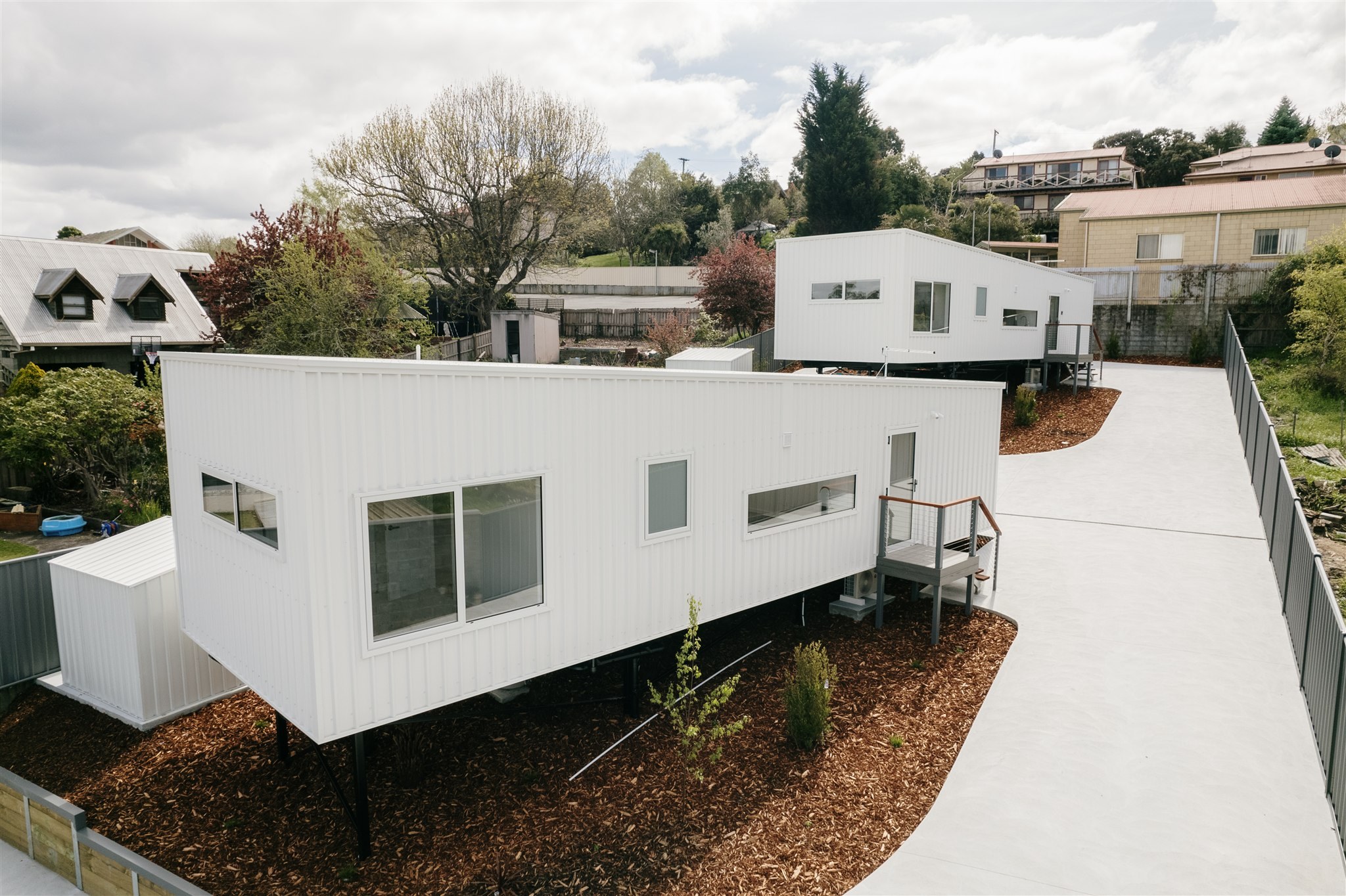
homes around the 60m² to 70m² mark can deliver comfortable, functional living
without wasting space.
But increasing the allowable size to 90m² means homeowners may soon have the option to go even further with more flexibility in layout, more room for families, and more opportunity to tailor a home to suit long-term living.
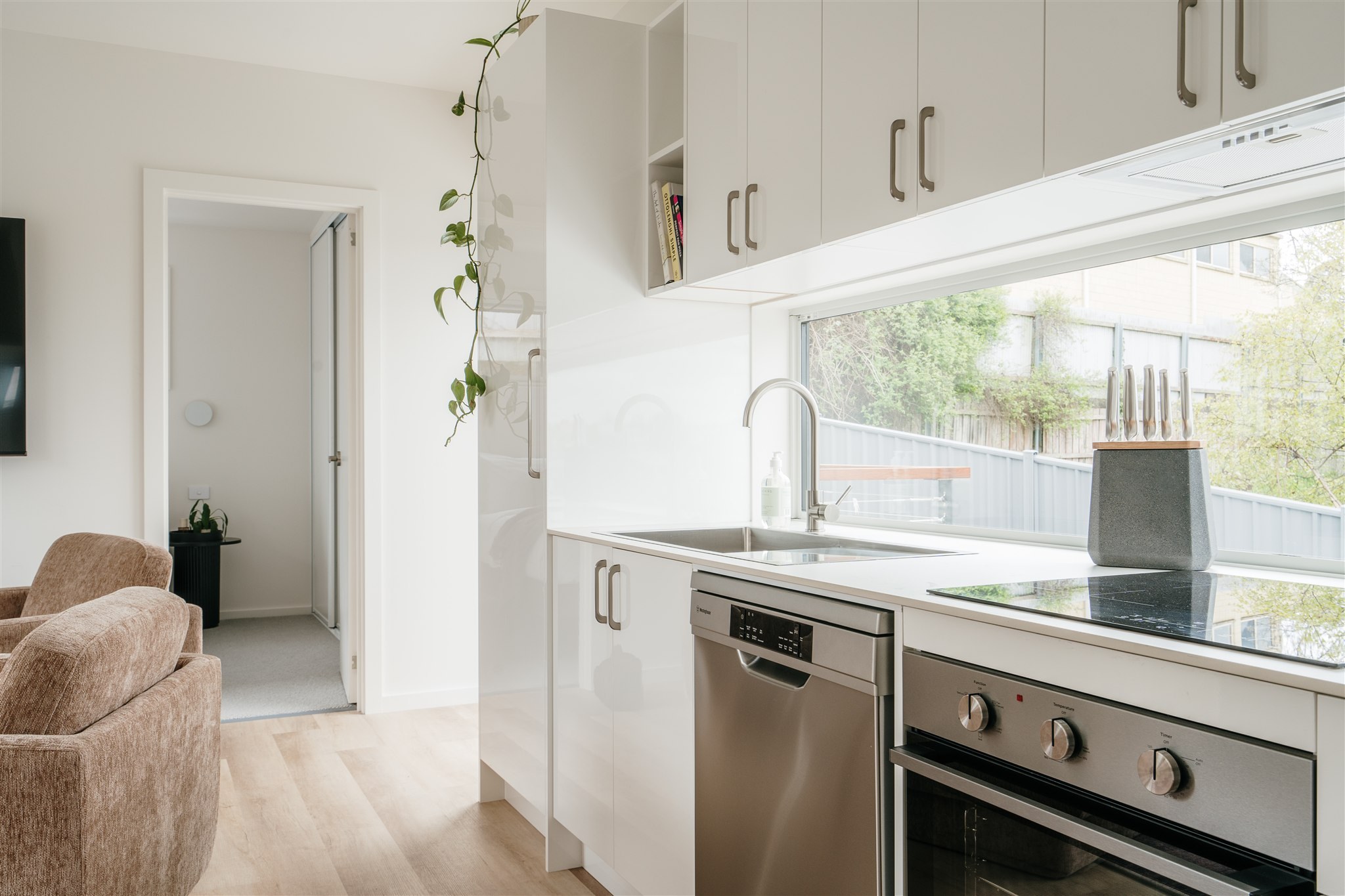
That could mean a more generous layout with additional storage, extra bedrooms, or a larger living area with more breathing room.
And for many Tasmanians, that makes the idea of adding a second dwelling to their property even more appealing.
A way into housing without buying more land
This is where it gets really interesting.
One of the biggest barriers to housing in Tasmania isn’t just the cost of building – it’s the cost of land. So, when you already have access to a block, whether it’s your own or a family member’s, that changes the equation dramatically.
Instead of trying to save for land, stamp duty, and a full standalone build, a tiny home can become a much more achievable path to having a place of your own.
That’s a big deal for younger Tasmanians. It’s a big deal for families trying to stay connected. And it’s a big deal for anyone stuck in the rental cycle, paying off someone else’s mortgage while trying to get ahead.
This kind of planning reform doesn’t solve the housing crisis on its own, but it does create more realistic pathways for people who might otherwise be locked out.
It could also make your property work harder
Then, there’s the investment side of this.
A well-designed tiny home can add genuine functionality and value to your property. Whether it’s used for family now and rental income later, or built specifically as an investment from the outset, the potential becomes a lot more appealing when you can build something larger and more practical, rather than just sitting there with a big patch of lawn to mow every weekend!
For current homeowners, that’s worth thinking about…
Why a tiny home makes sense in this new landscape
A tiny home gives you a fast, efficient, beautifully designed way to make the most of this opportunity, without heading down the path of a full-blown traditional build in your backyard.
At Tiny Homes Tasmania, our homes are designed to be practical, liveable, and built for the way people actually use their space. They’re not a glorified spare room, temporary fix, or a compromise. They’re real homes.
And with an increased floor area on the table, you’ll soon be able to get even more out of them — whether that means an extra bedroom, more storage, a bigger living zone, or simply a layout that feels easier to live in long term.
This isn’t just about granny flats
The term ‘granny flat’ doesn’t really capture what this shift could mean.
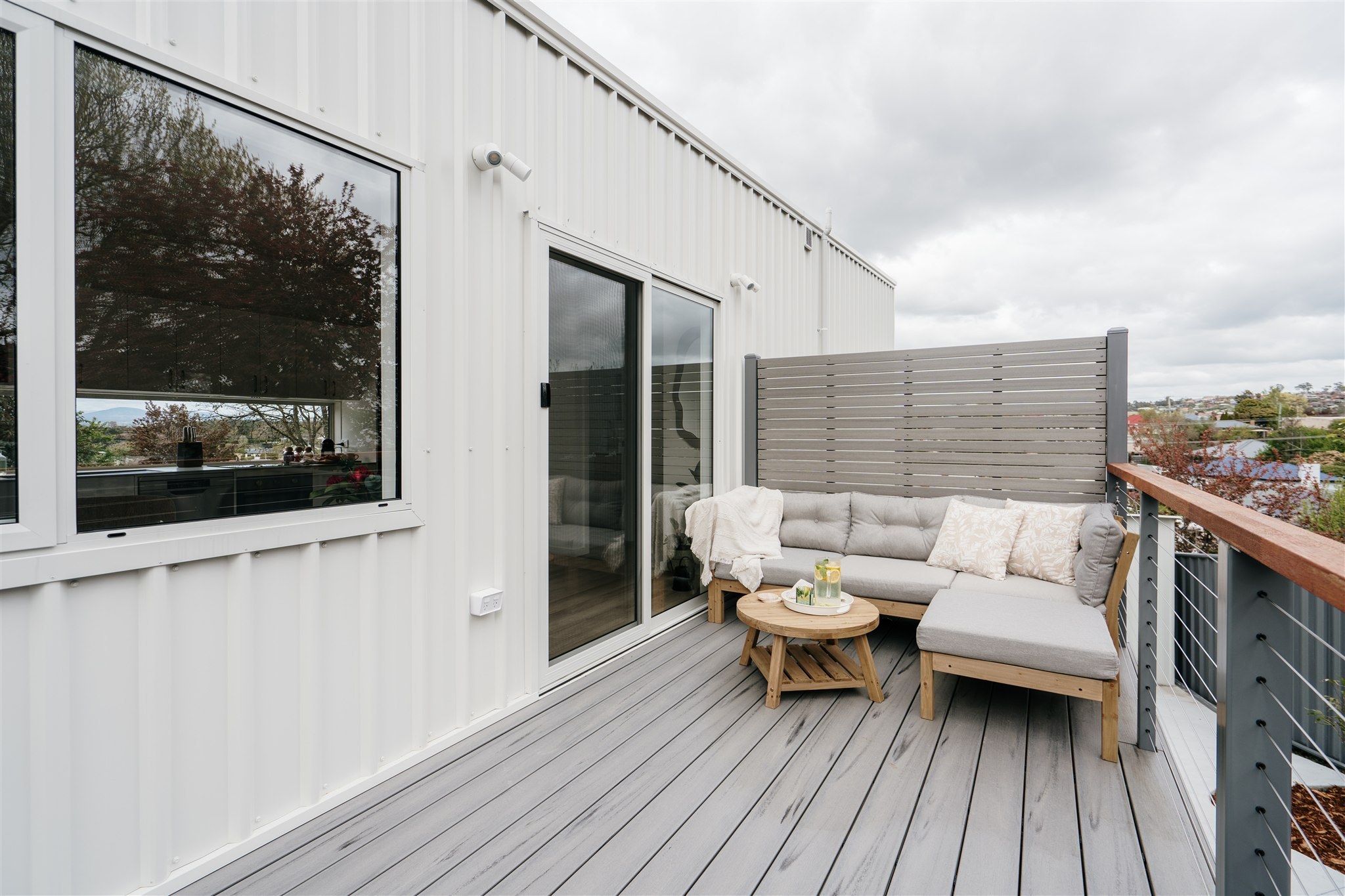
Yes, it can absolutely be a place for grandparents, but it can also be a first home alternative, a downsizing option, a rental opportunity, a guest house, a home office, an Airbnb, or a way to keep family close without everyone living on top of one another.
That’s why this update matters. It’s not just a planning tweak. It’s a shift toward more flexible living, and more flexibility is exactly what a lot of Tasmanians need right now.
Thinking about what this could look like on your block?
This change is likely to get a lot of people thinking differently about what’s possible in their own backyard, and for good reason!
If you’ve ever thought about building a second dwelling but felt limited by the previous 60m² cap, this could be the moment to revisit it.
A bigger footprint means more freedom, comfort, and long-term value. It’s also the perfect time to consider whether a tiny home could work for you.
Now is the time to think tiny.