
Your tiny home checklist: Planning, permits, and practical tips
29th January 2026
The beginning of a new year is the perfect time to pause, reassess and start planning for what’s next.
For many Tasmanians, that includes thinking differently about housing – whether it’s downsizing, creating extra space for family members, or investing in a more flexible way of living. If a tiny home is on your radar for 2026, a little planning upfront can make the journey smoother, clearer and far less overwhelming.
In this blog, we’ll walk you through some of the key considerations we regularly discuss with our clients – from understanding the difference between Container Tiny Homes and Bigger Tiny Homes, to navigating permits, planning and the steps required to get you comfortably into your new home.
Start with your why
Choosing the right tiny home always starts with understanding what you need the space to do. Some clients are looking for a compact studio or guest accommodation, others need a comfortable full-time residence, while many are planning an ancillary dwelling for family members or rental income. Being clear on your “why” early helps shape every decision that follows – from size and layout through to site requirements and approvals.
Choosing the right tiny home for you
At Tiny Homes Tasmania, we offer both Container Tiny Homes and Bigger Tiny Homes, with each range designed to suit different needs and lifestyles.
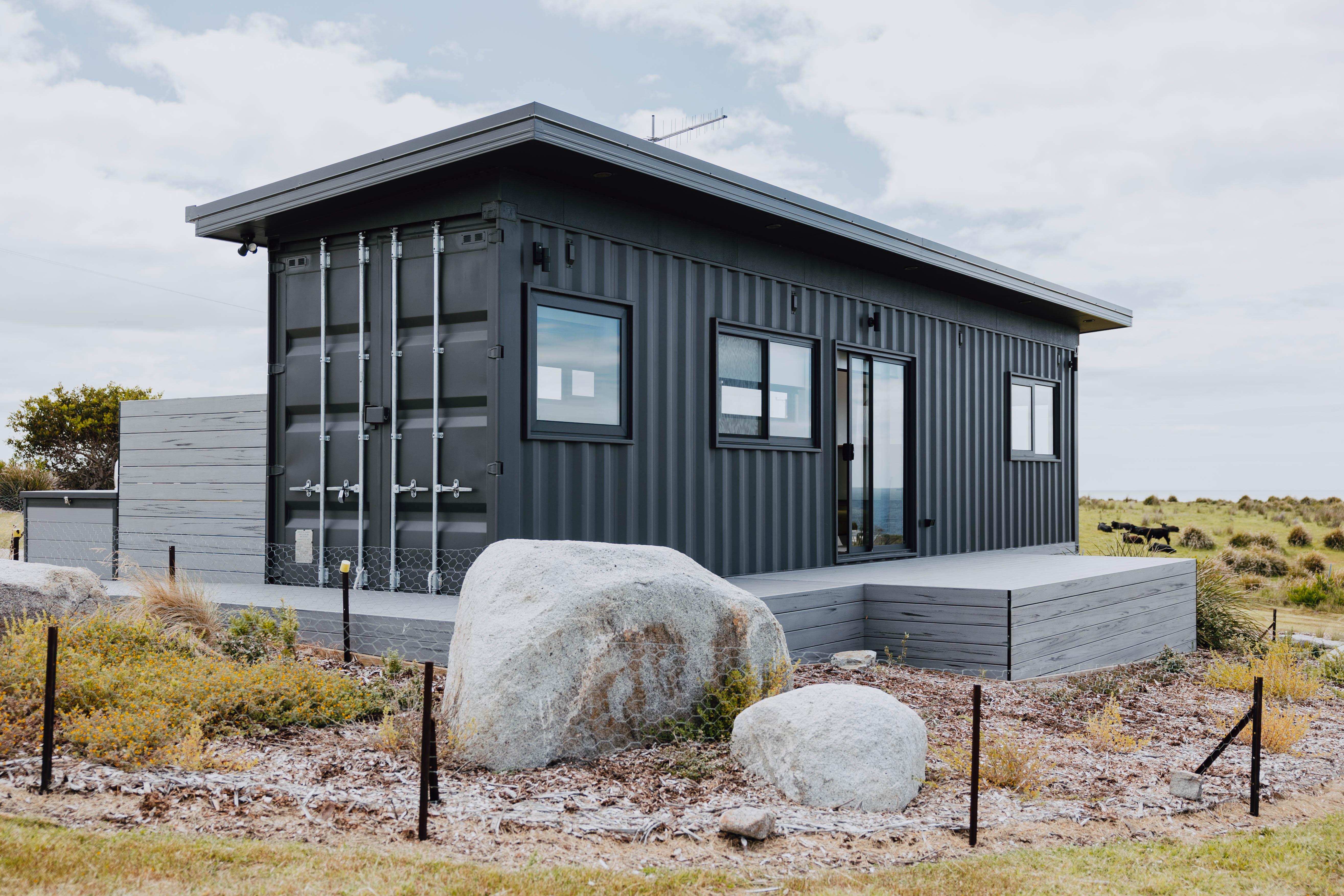
Container Tiny Homes are built from high-grade steel shipping containers and are available in 20-foot and 40-foot footprints. They’re a popular choice for studios, guest houses, Airbnbs and granny flats, offering a compact, durable and efficient solution with carefully considered layouts and quality finishes.
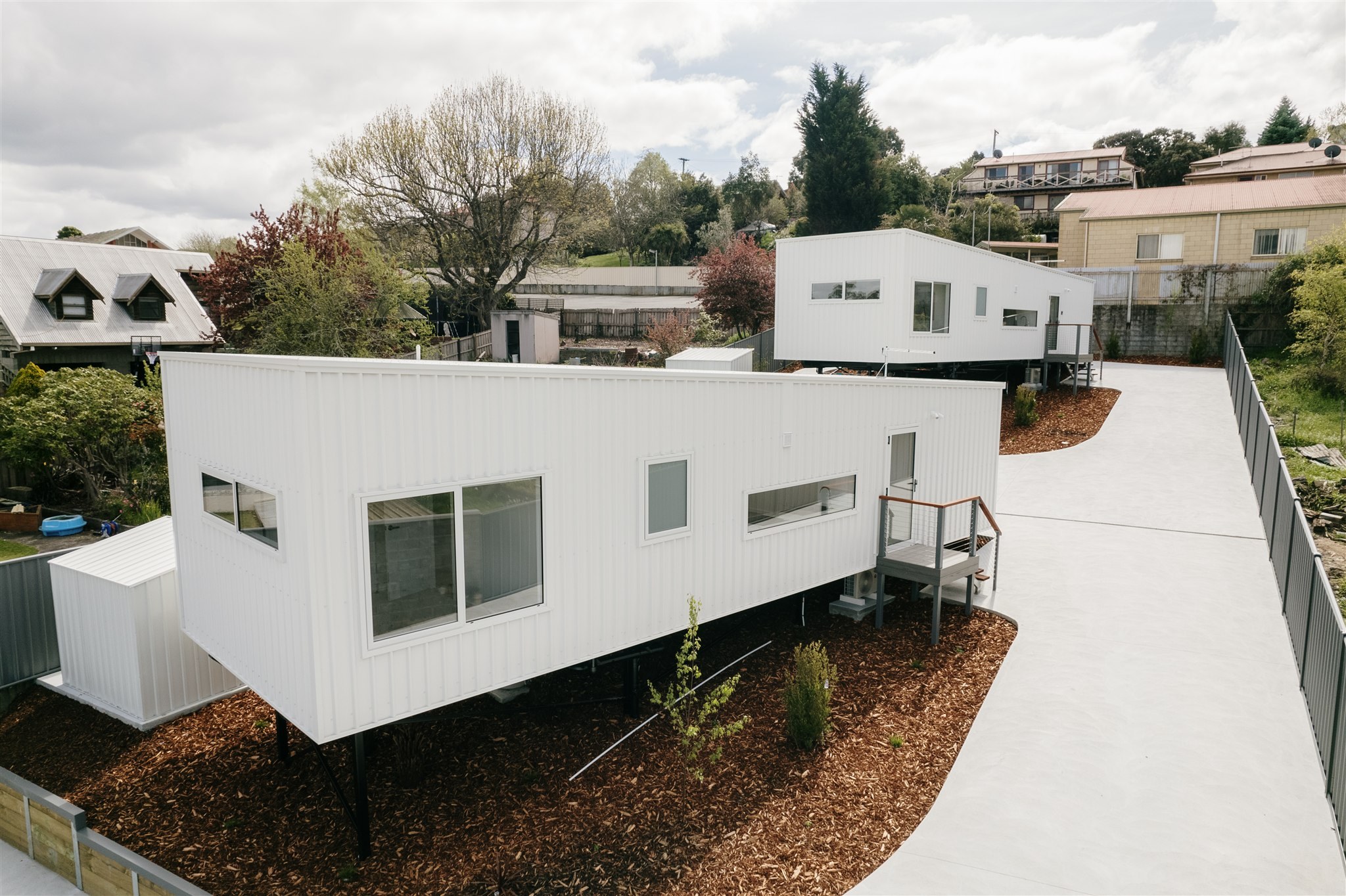
Bigger Tiny Homes, on the other hand, are custom-built from scratch on engineered steel frames. They provide significantly more space and flexibility, making them well suited to full-time living, families, or anyone wanting extra room – while still retaining the benefits of a smaller footprint.
Every Tiny Homes Tasmania build starts with a base plan, but customisation is where your home truly becomes your own. From layout tweaks and window placement to cabinetry, finishes and storage solutions, there’s flexibility to tailor the space to suit how you want to live. The key is balancing personal style with everyday practicality – thinking about how the home will function day to day, not just how it looks at handover.
Understanding planning, permits and preparation
One of the most common questions we’re asked relates to planning approvals and permits. In Tasmania, requirements can vary depending on the local council, how the tiny home will be used, and how it is classified. For example, a tiny home used as an ancillary dwelling where there is already a primary residence on site may be exempt from planning approval.
At Tiny Homes Tasmania, we work closely with a local registered building designer who can assist with and facilitate your planning and building applications. This means you don’t have to navigate the approval process alone – having the right support can make a significant difference in avoiding delays or compliance issues. It’s still important to confirm requirements early with your council or planning professional, as regulations and expectations can differ across Tasmanian municipalities.
Occupancy vs completion: what to expect
Once your tiny home reaches occupancy, it means the home is safe, functional and ready to live in – but that doesn’t always mean the project is fully complete from a regulatory perspective. The final stage is achieving completion, which may involve inspections, compliance documentation and the issuing of a Certificate of Completion. This step is important for insurance, resale and peace of mind, so it’s worth understanding early and staying proactive throughout the process.
When you build with a licensed Tasmanian builder, you’re protected by statutory warranties covering workmanship, materials, compliance with building codes and suitability for occupation. On top of this, Tiny Homes Tasmania provides a 12-month finishing and settlement support period, along with assistance in managing manufacturer warranties for appliances and fittings. Knowing what’s covered – and how to raise any concerns – provides reassurance well beyond move-in day.
Let’s chat
Planning your build doesn’t need to feel complicated. With the right information, clear expectations and a trusted team, the process can be both exciting and rewarding. If you’re considering a Container Tiny Home or Bigger Tiny Home and want to talk through your options, permits or next steps, the Tiny Homes Tasmania team is always happy to help.